Swipe the breakdown ›
Compare the Market could not afford its own name.
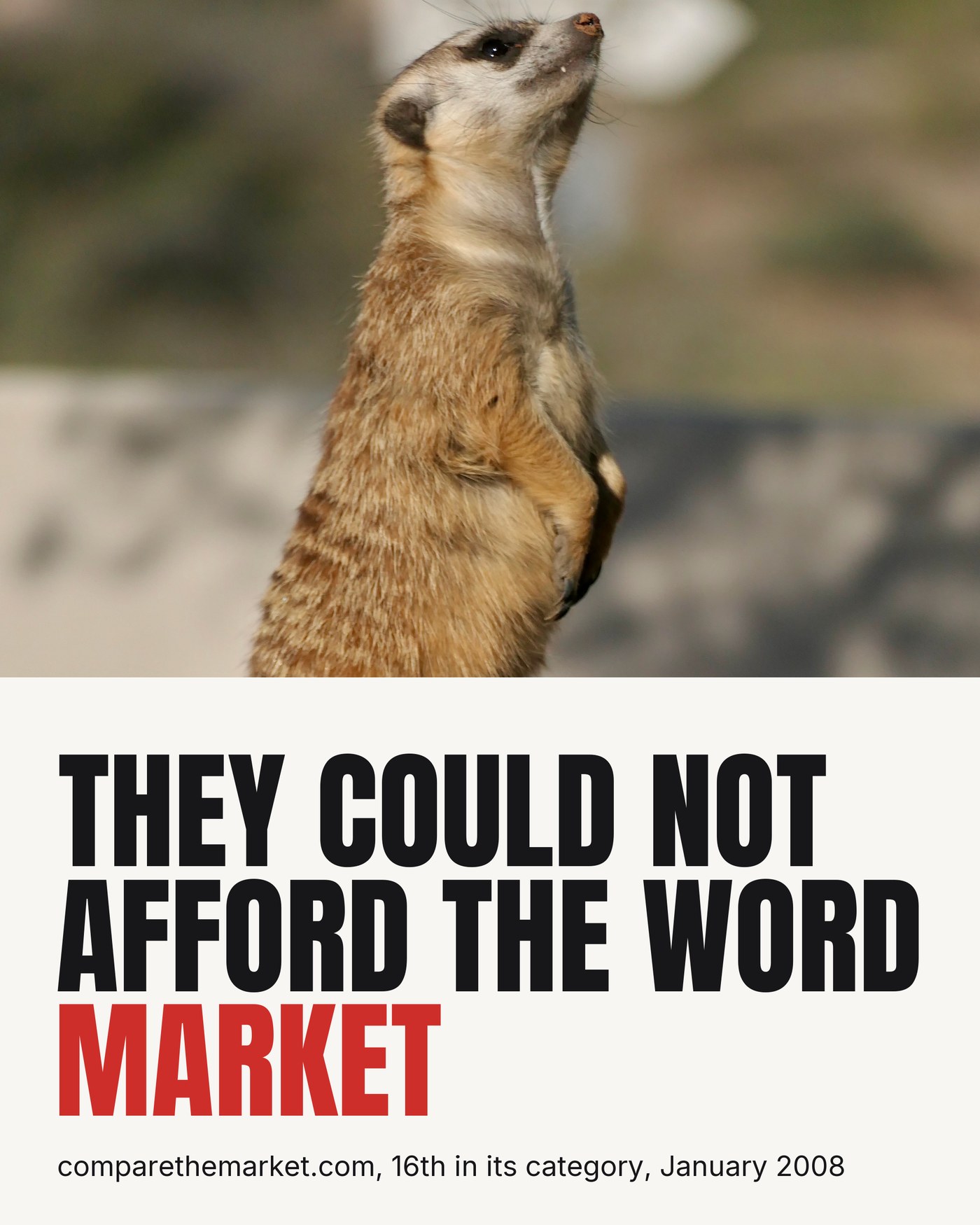
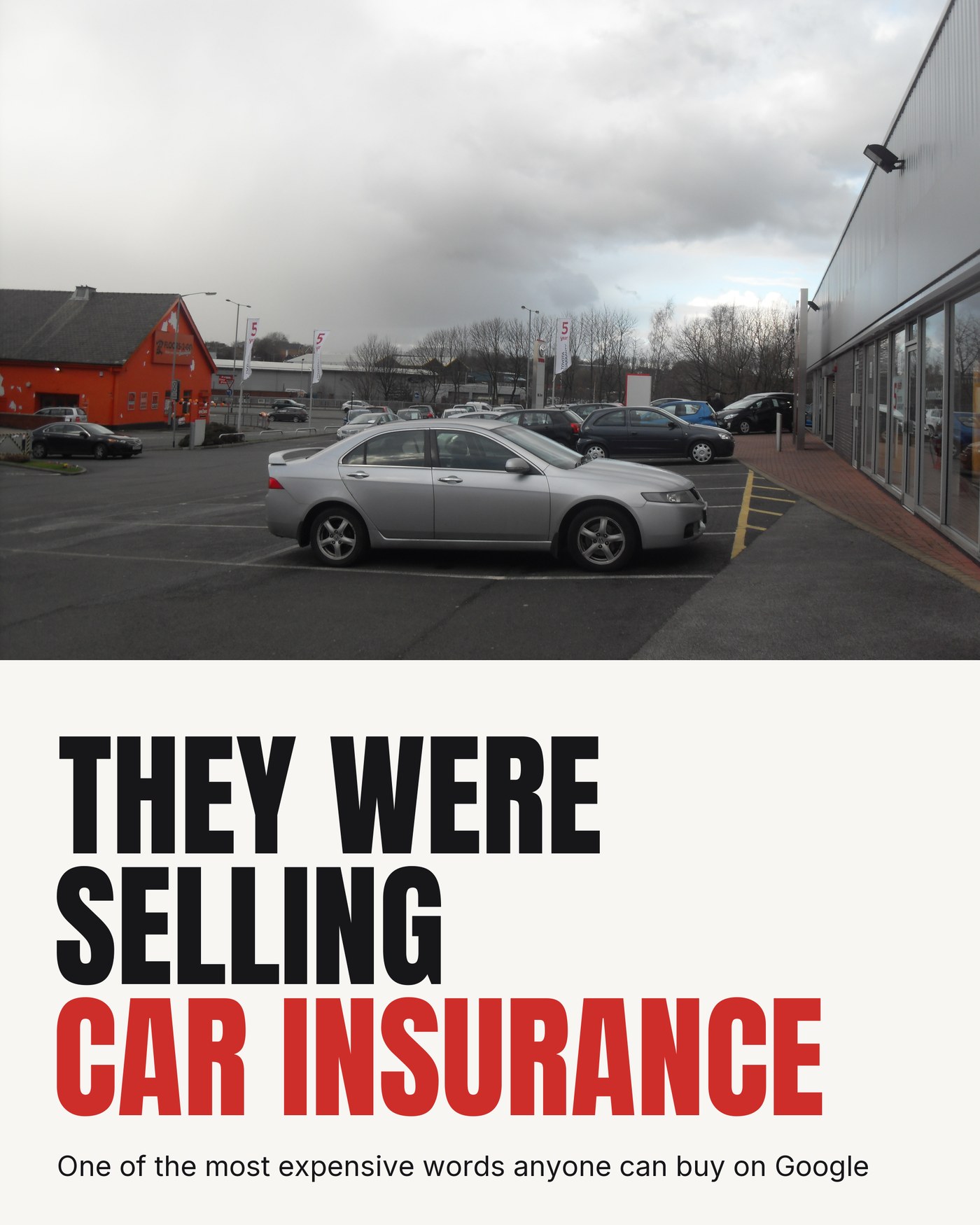
In January 2008 the site sat 16th in its category. The words it needed to rank and to buy were the same words every rival was already bidding on, and car insurance is about the most expensive thing there is to purchase on Google. Fourth place was not a position it could spend its way into, because the people ahead of it had more money and the same shopping list.
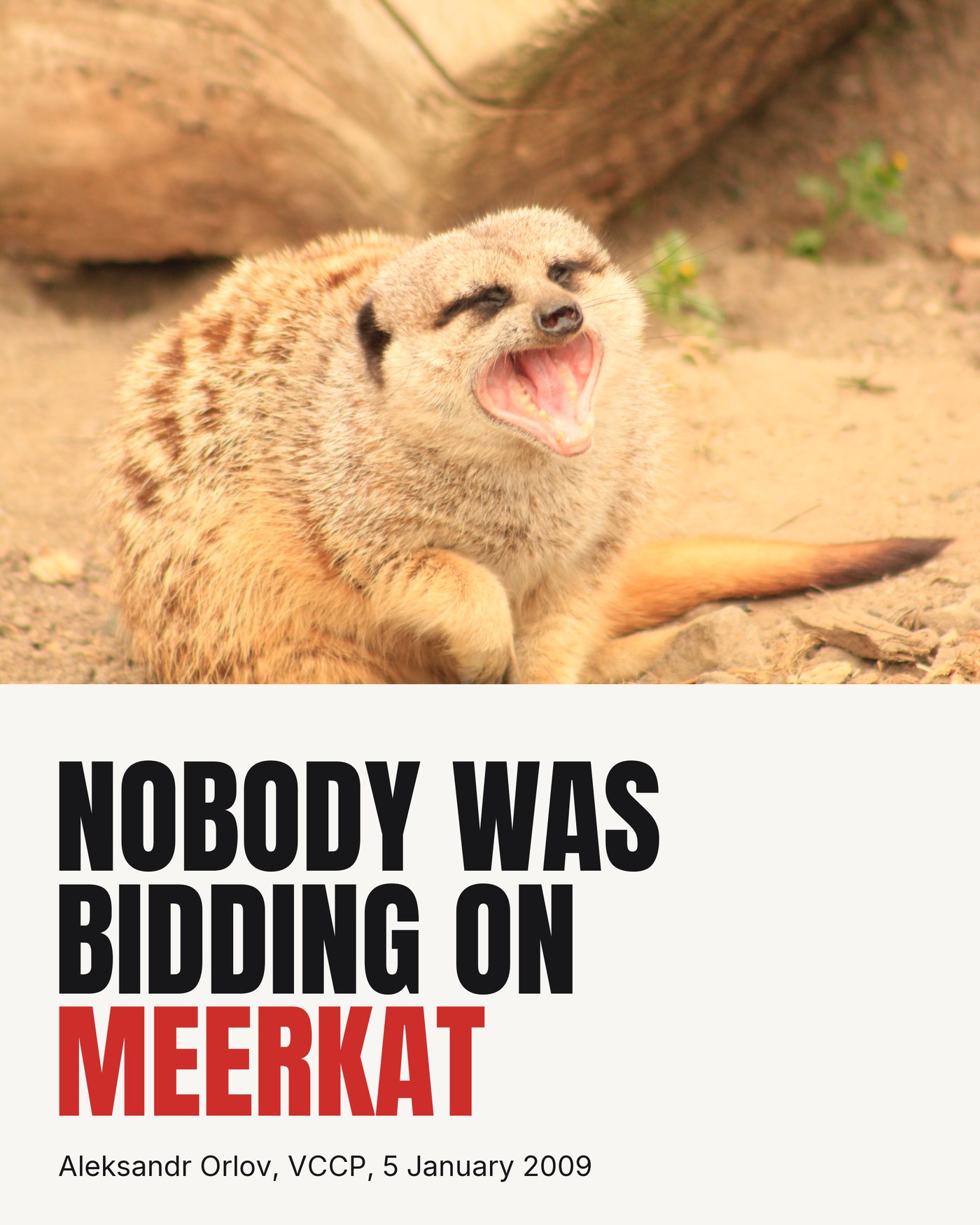
So on 5 January 2009, VCCP ran an advert for a completely different website.
Aleksandr Orlov, an aristocratic Russian meerkat, was furious that people hunting cheap car insurance kept landing on his meerkat comparison site by mistake. Compare the meerkat, not the market. Simples.
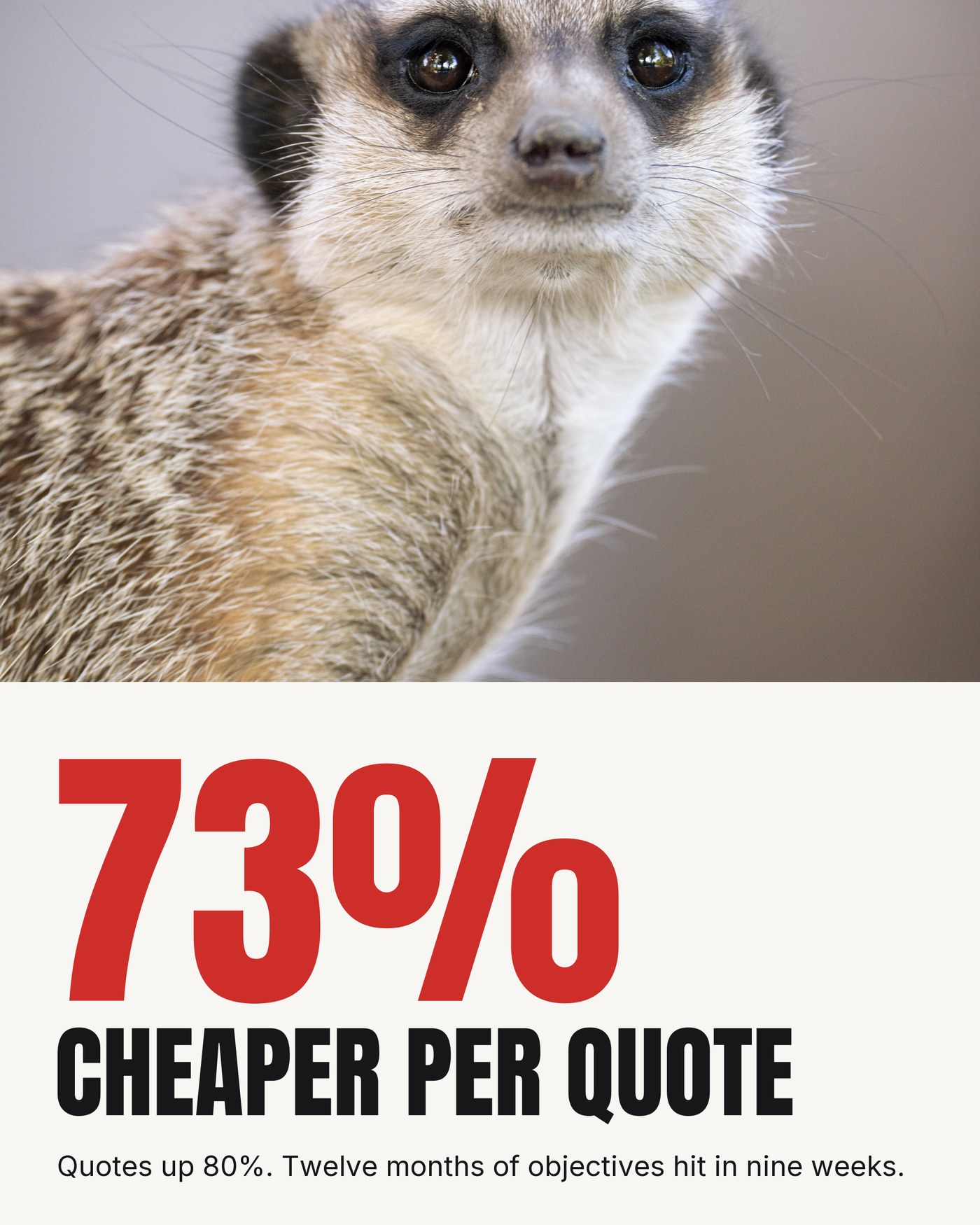
Within nine weeks the campaign had hit all twelve months of its objectives. Quote volume rose 80%. The site climbed from 16th to the fourth most visited insurance website in the UK. Aleksandr’s own spoof site was taking more than two million hits a month by the following year.
The number worth sitting with is none of those. Cost per quote fell 73%.
Everyone files this under cute mascot. Read it as a media plan and it turns into something colder and a lot more useful. They were never going to win an auction for “car insurance” against bidders with deeper pockets, so they stopped entering that auction. They went and built national demand for a word that had no competition, no incumbent and no reserve price, and the word they picked happened to be their own brand, spelled wrong on purpose.
Whether the brief ever said that out loud is another matter. It is what the campaign did.
Most of us do the opposite without ever deciding to. We inherit the category’s vocabulary as if it were fixed, we fight over the price of the same twenty terms, we watch cost per acquisition climb a little every year, and we file the increase under market conditions. Then we ask for more budget to do the identical thing slightly harder.
The vocabulary is not a law of physics. Somebody chose those words, usually years ago, usually because they were the obvious description of the product. Obvious descriptions are exactly what everyone else also bids on, which is why they cost what they cost.
There is a second thing here that is easy to miss. A brand term is the cheapest inventory in any account, and it is the one line nobody can outbid you on in the long run, because you own the thing it refers to. Most companies treat brand search as a rounding error they are forced to defend. Compare the Market treated it as the entire strategy and spent its media money manufacturing the demand that would land there.
That is the trick, and it is not a trick at all. They did not buy attention for the word. They made the word worth searching for, then collected the traffic at a price nobody was competing over.
If the main keyword in your category doubled tomorrow, the honest question is not how you would find the money. It is whether you would still be bidding on it at all.