Swipe the breakdown ›
Patagonia bought a full page in the New York Times on Black Friday and used it to tell people not to buy their jacket.
25 November 2011. The busiest shopping day of the American year. The page carried a photograph of their own R2 fleece and two words above it, don’t buy.
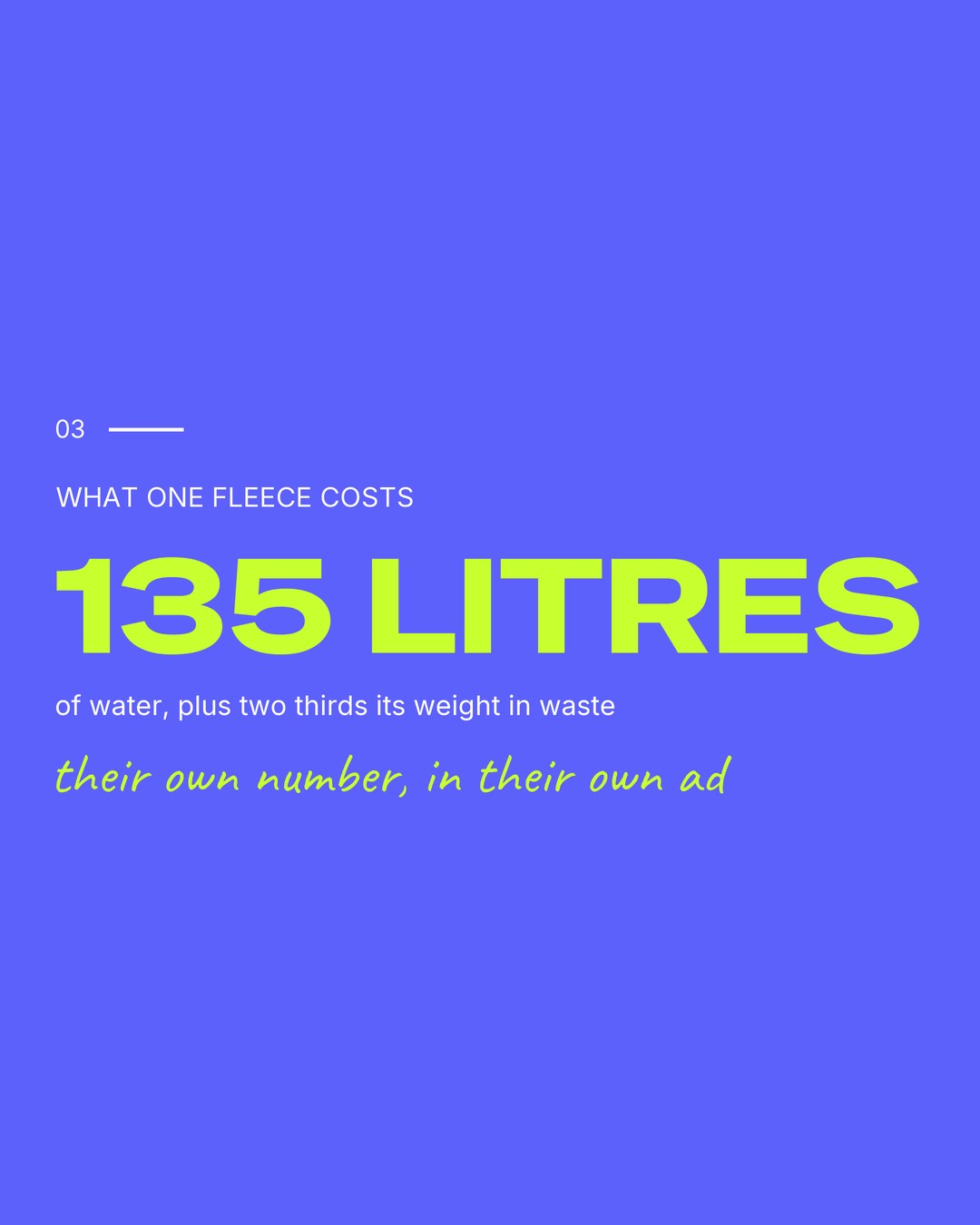
Underneath, in small type, they printed what that jacket cost to make. 135 litres of water, the daily needs of 45 people. Twenty pounds of carbon dioxide, twenty four times the weight of the jacket itself. Two thirds of its weight in waste before it ever reached a shop floor.
Nobody made them print any of that. It is the sort of number a company normally pays somebody to help it avoid saying.
Not everyone inside was happy about it. Kris Tompkins, who had run the company as chief executive years before and sat on the board, thought the message was hypocritical and read as marketing for its own sake. That is a fair objection. You are still a clothing company. You still need people to buy the jacket.
What got it past the objection was that the rest of the business could stand behind it. The ad sat on top of the Common Threads Initiative, a repair, reuse and resale programme run with eBay, where the customer pledged to keep their gear alive and Patagonia pledged to help fix it.
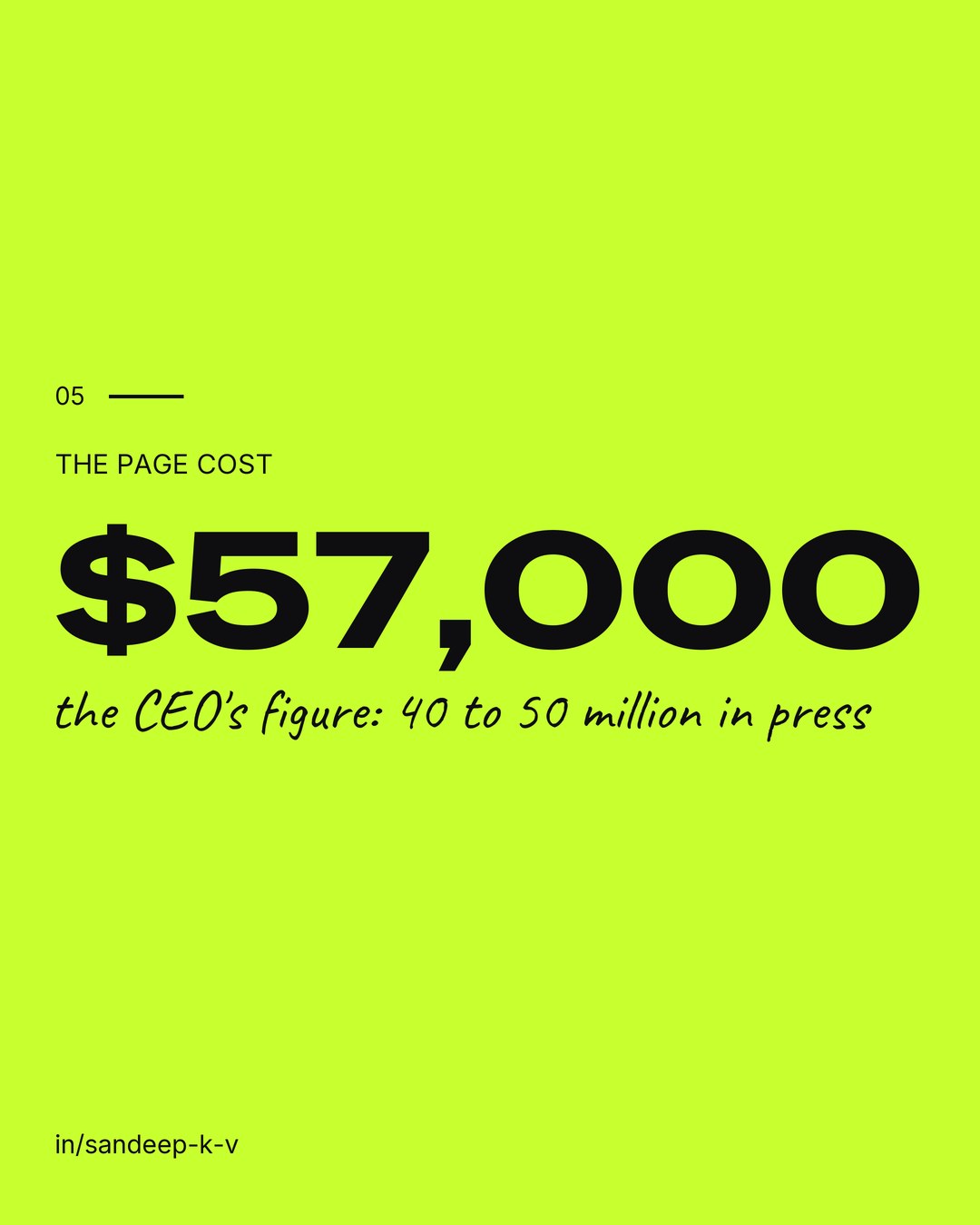
Casey Sheahan, the chief executive at the time, later put the result plainly. For that $57,000 ad in the New York Times, they got $40 million to $50 million of free publicity.
Here is the part worth stealing.
Everything in our marketing argues for us. Every line on the site, every bullet, every badge in the footer. It all points the same way, so a customer reads almost none of it closely, because they already know what it is going to say before they read it.
The moment you print a number that argues against you, the reading changes. It is the only kind of claim a stranger has no reason to discount.
The catch is the bit people skip. You can only do it if the operation behind it is real. Patagonia could publish the water figure because the repair programme already existed. Print the honest number with nothing behind it and you have written your own bad review.
One more thing worth saying, because the number everyone quotes about this campaign is the one I have left out. Sales are usually reported as rising about 30% in the months that followed. That may well be true, and it is not evidence that a single full-page ad caused it, because the same year carried a whole product line, distribution growth and the rest of the marketing. The publicity figure above is a named executive’s account of the ad itself, which is a narrower claim and a safer one.
It is late September, so most Black Friday plans are being signed off about now.
What is the one number about your own product you would never put in the advert?